
Arizona History and Social Science Standards

Arizona
History and Social Science Standards

Arizona requires one-half credit of economics within three social studies credits. These materials are mapped to the Arizona History and Social Science Standards so teachers can cover budgeting, saving, credit, investing, insurance, markets, the national economy, and global trade.

PersonalFinanceLab lessons, the Budget Game, and the Stock Game are lined up with those economics and financial literacy standards, so teachers can build that half-credit course with activities students will work through.


Course Outlines, Lesson Plans & Student Activities

Students will learn through playing the interactive online games, as well as completing the self-graded lessons that were designed to keep young learners engaged.

When you order PersonalFinanceLab® for your class, you’ll also get access to course outlines, lesson plans, student activities and grading rubrics that tie everything together.

Check out our course outlines, we’ll walk you through every step of the way!

Get to Know PersonalFinanceLab®

We’re here to help engage your students to learn how to manage their money responsibly. Learn more about each of the main features and see how we can help transform your class.

Personal Budgeting Game

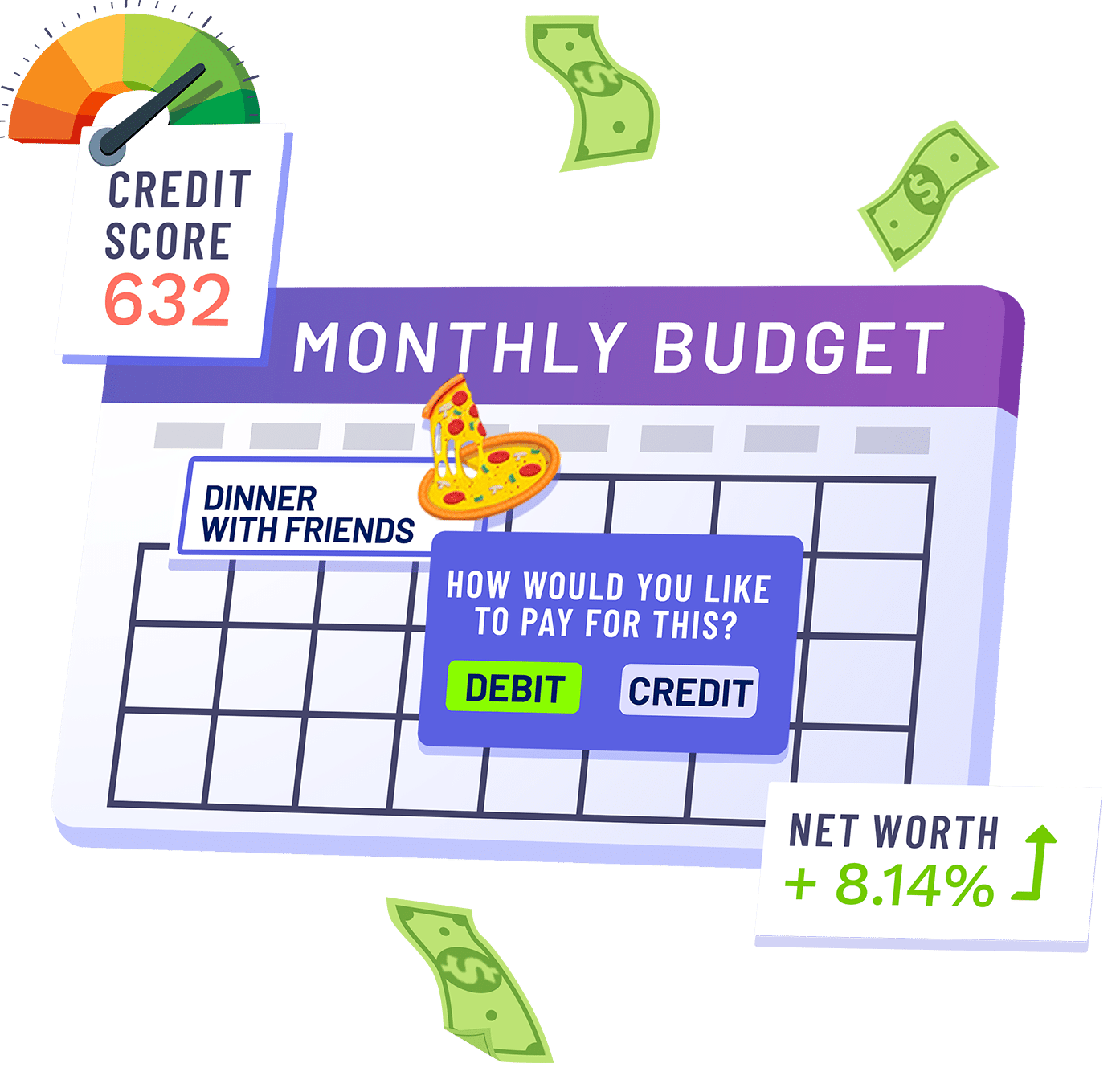
A monthly budget game with real-life scenarios and consequences.

Learn more

Stock Market Game

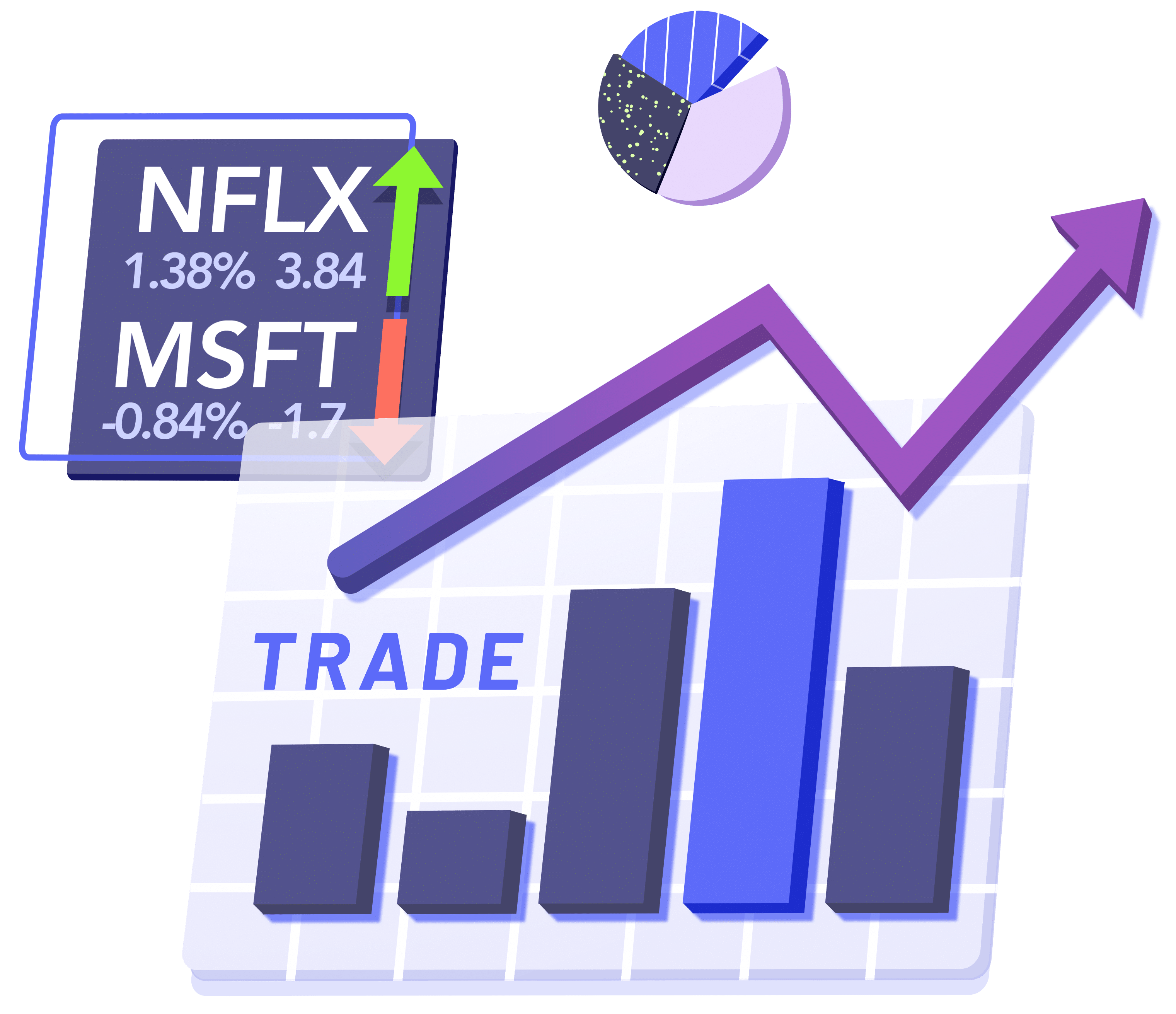
Build your students confidence in the financial markets as they learn how to invest their money wisely.

Learn more

Embedded Lessons

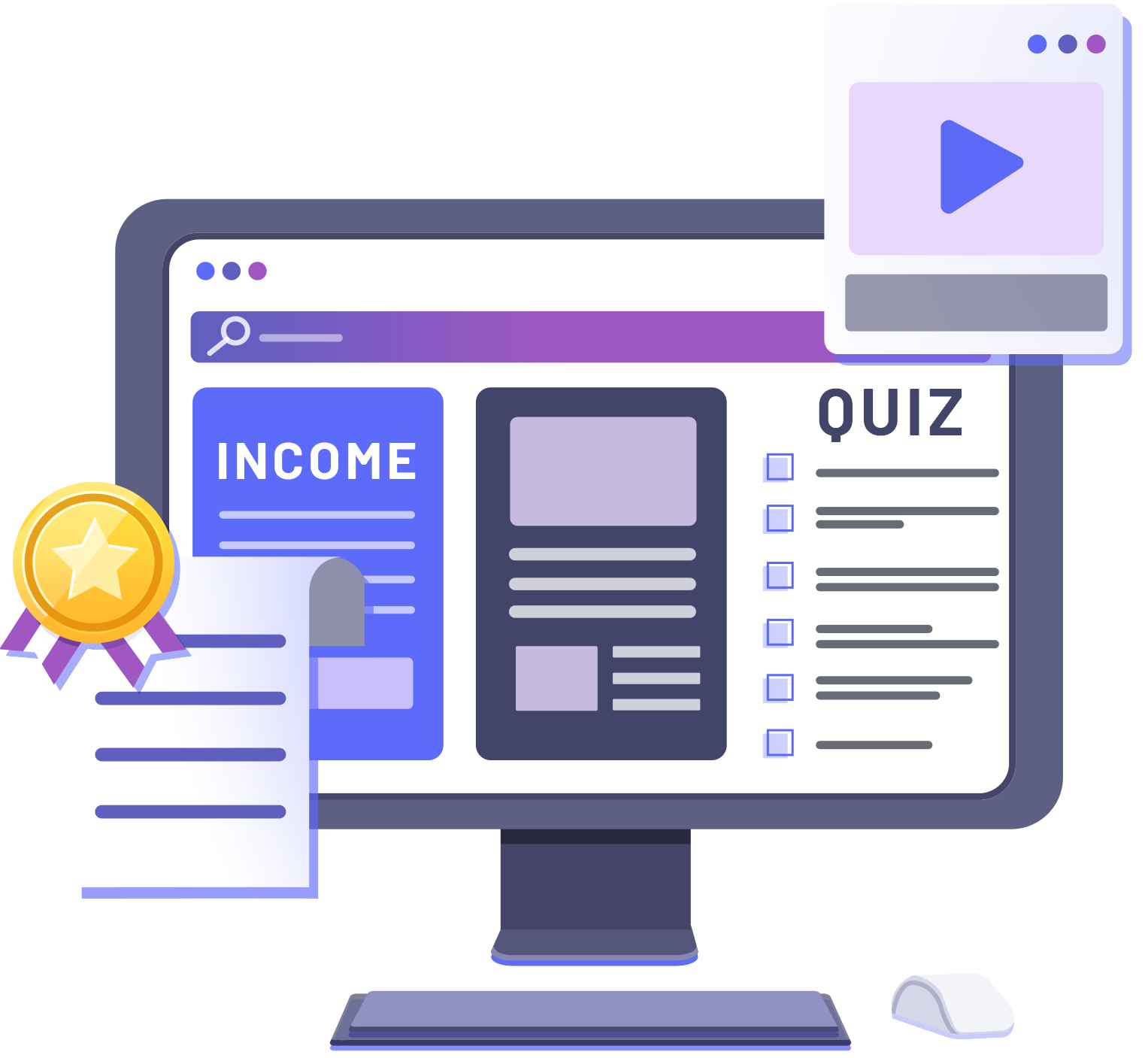
Self-graded lessons aligned to National and Jump$tart Standards.

Learn more
Schedule a call

We’re Here to Help!

Discover how the fully customizable platform can be tailored to fit the needs of your class by talking to a member of our team. Our curriculum specialists can guide you on how to integrate our lessons and games into your existing curriculum.

Schedule a call

Arizona History and Social Science Standards Alignment

This table follows the high school economics standards in the Arizona History and Social Science Standards, adopted by the Arizona Department of Education on October 22, 2018. Arizona does not require a separate personal finance course. Students earn one-half credit of economics as part of three social studies credits, and financial literacy is taught inside that course.

Scan the table for the lessons, Budget Game, and Stock Game matched to each of those economics standards. The Learning Library has more than 300 lessons, so this list can be expanded when a class needs a different example.

Legend:

Long-Term Game
Comprehensive Chapter
Short Lesson
Interactive Calculator
Includes Automatically-Graded Assessment

Standard Activity Long-Term Game Comprehensive Chapter Short Lesson Interactive Calculator Graded Assessment
HS.E1 Income, spending, and investment
A financially literate individual understands how to manage income, spending, and investment.
HS.E1.1
Evaluate how and why people make choices to improve their economic well-being.
Budget Game – Core Component
Lesson – Pay Yourself First: A Simple Yet Powerful Way to Build Wealth
Lesson – Planning Your Career Path
Lesson – Go to College or Start Working?
Lesson – The Cost of Raising a Family
Lesson – The Secret to a Comfortable Retirement
Lesson – A Strategy to Build Wealth, Not Debt
Lesson – What is Opportunity Cost?
HS.E1.2
Analyze the factors that influence how and why people make budgeting and saving choices.
Budget Game – Core Component
Lesson – Pay Yourself First: A Simple Yet Powerful Way to Build Wealth
Lesson – Proven Techniques to Stop Overspending
Lesson – Achieve Financial Goals with a Spending Plan
Lesson – Break Free From Money Stress with a Budget
HS.E1.3
Evaluate the cost and benefits of using credit.
Budget Game – Core Component
Lesson – A Beginner’s Guide to Borrowing Wisely
Lesson – How to Use Debt to Your Advantage
Lesson – Demystifying the Impact of Interest Rates
Activity – Calculate Your Car Loan Payments
Activity – Calculate the True Cost of Credit Card Debt
HS.E1.4
Compare the cost and benefits of several types of investments.
Stock Game – Core Component
Investing101 Course – Chapter 1 Introduction to Investing
Lesson – What is Diversification and How to Spread Your Risk
Lesson – How to Develop an Investing Strategy
Lesson – Why Invest in Stocks vs. Keeping in Savings
HS.E1.5
Evaluate the ways insurance may minimize personal financial risk.
Lesson – Types of Insurance
Lesson – Car Insurance: How to Lower Your Rates
Lesson – Why Health Insurance is So Expensive
Lesson – What’s Not Covered in Renter’s Insurance?
HS.E2 Economic reasoning
By applying economic reasoning, individuals seek to understand the decisions of people, groups, and societies.
HS.E2.1
Explain how scarcity results in economic decisions and evaluate their impact on individuals, institutions, and societies.
Lesson – Why Is There Scarcity?
Lesson – What is Opportunity Cost?
HS.E2.2
Analyze how incentives influence economic choices for individuals, institutions, and societies.
Lesson – Carrots, Sticks, and Your Wallet – All About Incentives
HS.E2.3
Use cost-benefit analysis and/or marginal analysis to evaluate an economic issue.
Lesson – Marginal Benefit and Cost
HS.E3 Market systems
Individuals and institutions are interdependent within market systems.
HS.E3.1
Explain how buyers and sellers interact to create markets and market structures.
Lesson – What is Supply?
Lesson – What is Demand?
Lesson – Supply and Demand Examples in the Stock Market
Lesson – Benefits of Competition
HS.E3.2
Evaluate how numerous factors and conditions influence market prices.
Stock Game – Core Component
Lesson – Decoding What Moves The Market
Lesson – What are Price Controls?
HS.E3.3
Evaluate the role of government in regulating market places.
Lesson – Government Impact on the Economy
Lesson – What are Price Controls?
HS.E3.4
Explain the distinct types of business organizations and analyze the role of innovation and entrepreneurship in a market economy.
Lesson – What is Entrepreneurship?
Lesson – Starting a Business 101
Lesson – Types of Companies
HS.E4 The national economy
The domestic economy is shaped by interactions between government, institutions, and the private sector.
HS.E4.1
Use economic data to analyze the health of a national economy.
Lesson – Major Economic Indicators (GDP, CPI, Jobs)
Lesson – Gross Domestic Product
Lesson – The Anatomy of Unemployment
Lesson – Inflation
HS.E4.2
Evaluate the economic conditions that lead to fiscal and monetary policy choices and explain their impact on households and businesses.
Lesson – What Does Fiscal Policy Mean?
Lesson – What Is Monetary Policy?
Lesson – Why You Should Care About the Fed
Lesson – Government Impact on the Economy
HS.E4.3
Explain the roles of institutions in a market economy.
Lesson – Choosing the Best Banking Option for You
Lesson – Finding the Right Brokerage Account
Lesson – What is the New York Stock Exchange?
Lesson – How is Money Created?
HS.E4.4
Explain the effect of advancements in technology and training on economic growth and standards of living.
Lesson – Why Do Some Jobs Pay More Than Others?
Lesson – What is Economic Growth?
Lesson – What is Specialization?
HS.E5 The global economy
The interconnected global economy impacts all individuals and groups in significant and varied ways.
HS.E5.1
Evaluate the advantages and disadvantages of global trade.
Lesson – How Global Trade Shapes Our Economy
Lesson – What Is Comparative Advantage?
HS.E5.2
Evaluate how interdependence impacts individuals, institutions, and societies.
Stock Game – Core Component
Lesson – How Global Trade Shapes Our Economy
Lesson – What is Specialization?
HS.E5.3
Explain why nations chose to trade and how it is regulated.
Lesson – How Global Trade Shapes Our Economy
Lesson – What Is Comparative Advantage?
HS.E5.4
Explain how national economies influence trade.
Lesson – What is Economic Growth?
Lesson – Gross Domestic Product
Lesson – What Is Comparative Advantage?

Information Request

If you would like to learn more about PersonalFinanceLab, schedule a personalized demo, or get a Test Drive account to preview our games and lessons for yourself, please fill out the form below.

Fill out the form